For a first trip to Kyoto, base yourself downtown around Shijo-Kawaramachi if you want the most temples, food streets and evening options within walking distance, or near Kyoto Station if you arrive by Shinkansen or airport train and plan day trips to Nara or Osaka. Gion and southern Higashiyama suit travelers who want the old town at night and can live with fewer rail lines. Whichever area you pick, add Kyoto’s accommodation tax to your budget: since March 1, 2026 it is charged per person, per night, on a five-tier scale from ¥200 to ¥10,000, based on the room-only price.
The Three Areas That Work Best for a First Stay
Downtown Kyoto: Shijo-Kawaramachi and Karasuma
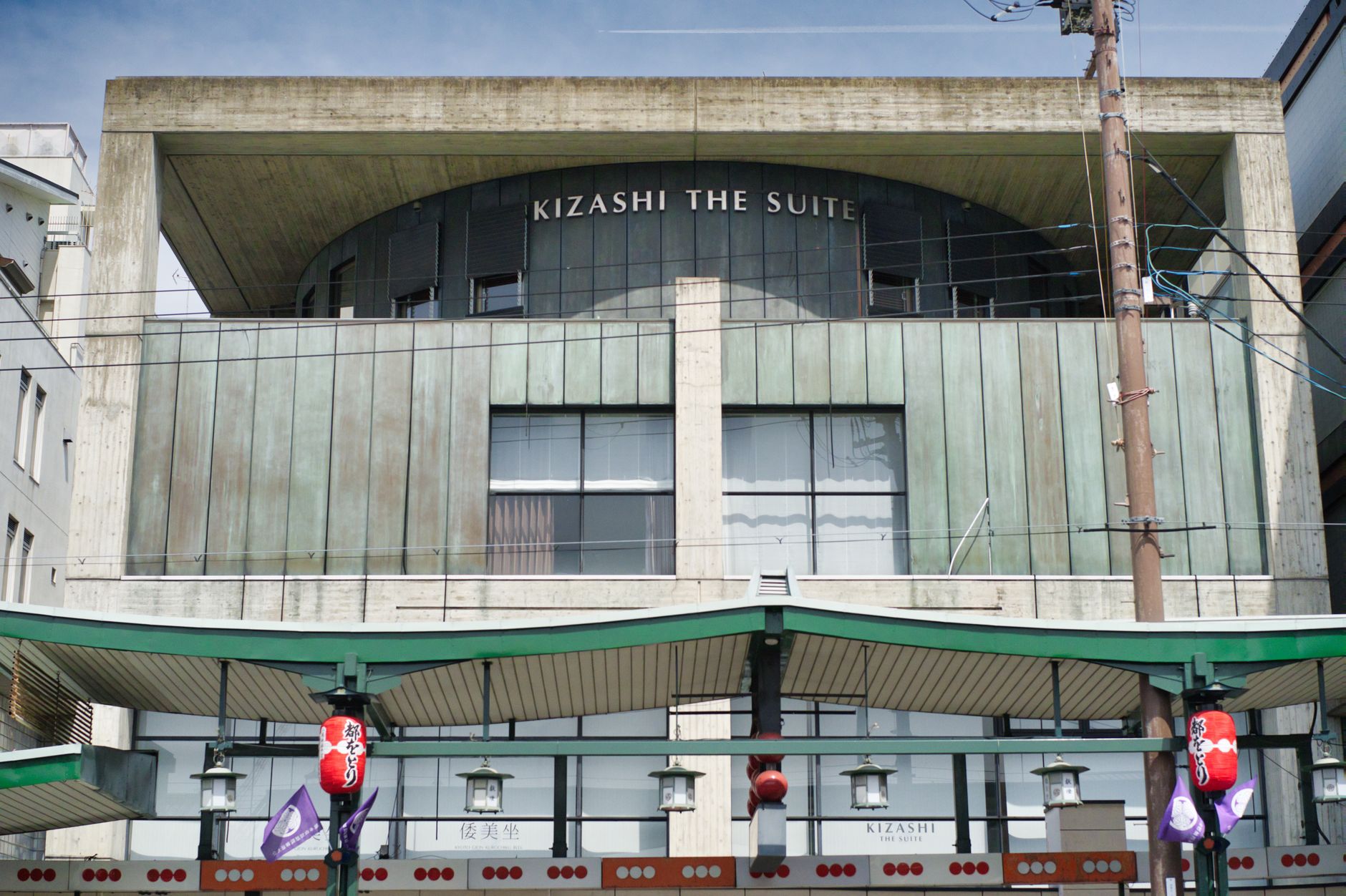
Photo by Frank Lee on Pexels
Downtown is the easiest base for a first visit of three nights or more. The Hankyu line ends at Kyoto-kawaramachi, the Keihan line stops at Gion-Shijo just across the Kamo River, and the Karasuma subway line runs north to south along the western edge of the district. Nishiki Market, the covered shopping arcades and Pontocho are on foot, and Gion is a short walk east.
The trade-off is noise and crowds on weekend evenings, and a longer ride if your main goal is day trips on JR lines. Rooms here range from compact business hotels to larger full-service properties, so it is the area where comparing several options side by side is easiest.
Kyoto Station Area
The station area makes sense for short stays, late arrivals and anyone using JR trains heavily. JR lines, the Shinkansen, the airport express from Kansai Airport, the Karasuma subway line and the main city bus terminal all meet here, so a day trip to Nara or Osaka starts at your hotel door.
The downside is that most famous sights are not walkable from the station, and evenings feel more commercial than historic. There is also a crowd issue: Kyoto’s official travel site asks sightseers to avoid getting off at Kyoto Station where they can and to use stations such as Nijo, Enmachi, Tofukuji or Yamashina to reach other lines (checked 2026-10-24 on kyoto.travel). If you stay at the station, you are starting from the busiest point in the network every morning, so plan to head out early.
Gion and Southern Higashiyama
Staying in Gion or around the slopes below Kiyomizu-dera gives you the lantern-lit lanes before the day crowds arrive and after they leave, which is the main reason to choose it. Traditional inns and machiya townhouse rentals are concentrated here.
The trade-offs are rail access and buses. The Keihan line at Gion-Shijo is the nearest train, and many visitors rely on city buses that fill up fast in peak seasons. Kyoto’s official travel site notes that a Kiyomizu-dera Line sightseeing bus began running on July 1, 2026, which helps, but if you have large suitcases, a hotel close to a rail station is still the easier choice.
Which Area to Pick for Your Trip Length and Priorities
Use your trip length and your heaviest-used transport as the deciding factors, not just the photos.
| Your trip | Best base | Why |
|---|---|---|
| 1 to 2 nights, arriving by Shinkansen | Kyoto Station area | No transfers with luggage, fast exit to the next city |
| 3 to 4 nights, sightseeing in the city | Downtown (Shijo-Kawaramachi) | Walkable to Gion, Nishiki and Pontocho, several rail lines |
| Day trips to Nara or Osaka on most days | Kyoto Station area | JR and Kintetsu departures from the same station |
| Atmosphere first, light luggage | Gion or southern Higashiyama | Quiet historic streets early and late in the day |
| Arriving from Osaka on Hankyu or Keihan | Downtown | Both private lines end or stop in the center |
If you cannot decide, downtown is the safer default for a first trip because it balances transit, food and walking distance.
Areas to Skip on a Short First Stay
Arashiyama is beautiful, but it sits on the far western edge of the city, so most first-time visitors are better off treating it as a half-day or day trip. Northern areas such as Ohara and Kurama are rural, with limited transit, and work best as excursions rather than a base. Neighborhoods far from any rail station can look cheaper on a map, but you will spend that saving on longer bus rides and time.
Kyoto’s 2026 Accommodation Tax: The Five Tiers
Kyoto City revised its accommodation tax from March 1, 2026. The tax is charged per guest, per night, and the tier depends on the accommodation charge per person per night. Kyoto City defines that charge as the room-only price (room charge plus service charge), which does not include meals or consumption tax (checked 2026-10-26 on city.kyoto.lg.jp).
| Room-only charge per person, per night | Tax per person, per night |
|---|---|
| Under ¥6,000 | ¥200 |
| ¥6,000 to under ¥20,000 | ¥400 |
| ¥20,000 to under ¥50,000 | ¥1,000 |
| ¥50,000 to under ¥100,000 | ¥4,000 |
| ¥100,000 or more | ¥10,000 |
You pay the tax at the place you stay. Kyoto City notes that it may already be included in what you paid a booking site or travel agency, so check with the property before you pay twice. Students and their chaperones on school trips are exempt.
How Much the Tax Adds to a Typical Stay
The simplest way to estimate the tax is to divide the room-only price by the number of guests, find the tier, and multiply. The examples below are based on the official tier table above and assume room-only prices with no meals.
A couple sharing a ¥30,000 downtown room for 3 nights pays ¥15,000 per person per night, which is the ¥400 tier: ¥400 x 2 x 3 = ¥2,400 in total tax.
A solo traveler booking a ¥22,000 room near Kyoto Station for 4 nights is in the ¥1,000 tier: ¥1,000 x 1 x 4 = ¥4,000 in total tax.
The ¥20,000 line matters most for couples. A ¥38,000 Gion room for 2 nights works out to ¥19,000 per person, so the tax is ¥400 x 2 x 2 = ¥1,600. A ¥42,000 room for the same 2 nights is ¥21,000 per person, so the tax becomes ¥1,000 x 2 x 2 = ¥4,000. A ¥4,000 difference in room price adds ¥2,400 in tax on top.
For a meal-inclusive ryokan rate, the tier is based on the room-only portion, not the full price with dinner and breakfast, so ask the property how the charge is split if you are close to a tier line.
What Changes the Price by Neighborhood
Room rates in Kyoto move with season and day of the week far more than with the neighborhood name, so treat any fixed price range as a rough guide and compare live rates for your dates. A few patterns are useful when you compare:
- Downtown and the station area have the widest spread of hotel sizes, which makes it easier to find a room under the ¥20,000-per-person line.
- Gion and Higashiyama have more inns and townhouse rentals, where prices often include meals; compare the room-only portion when you estimate the tax.
- A room for three or four guests lowers the per-person charge, which can drop you into a lower tax tier. Check the property’s own tax breakdown for children, since this guide does not cover how ages are counted.
Budget Bands in Yen: What the Tax Tiers Tell You About Price
Kyoto City’s tier lines double as a handy way to sort hotels, because they are set per person, per night, on the room-only price. Use them as bands when you compare rates for your own dates (live prices were not re-checked for this guide, so treat the examples as arithmetic, not quotes):
- Under ¥6,000 per person (¥200 tax): a solo traveler’s room under ¥6,000, or a twin room under ¥12,000 for two. Expect hostels and the most basic rooms.
- ¥6,000 to under ¥20,000 per person (¥400 tax): where most mid-range stays land. For two people sharing, that is a room-only rate of roughly ¥12,000 to under ¥40,000 per night.
- ¥20,000 and up per person (¥1,000 tax or more): a solo room at ¥20,000, or a double at ¥40,000 and above. Ryokan and luxury properties start here.
Downtown and Kyoto Station have the widest range of business hotels, so they are the easiest areas to stay inside the ¥400 band. Gion and Higashiyama skew toward inns and townhouses, so more of the rooms there cross the ¥20,000-per-person line.
Getting Back After Dark and Arriving Late
Do not plan a late return by city bus. Kyoto’s buses and subway finish much earlier than Tokyo’s or Osaka’s networks, and the exact last departure varies by line, so check the last train and bus for your route on the day, using the Kyoto City Transportation Bureau timetables or a route app. If you expect to come back from a dinner in Pontocho, an evening in Gion or a night illumination, a hotel within walking distance of where you will be, or next to a rail station, removes the risk of paying for a taxi at the end of the night. Downtown (Shijo-Kawaramachi) and Gion are walkable to each other, which makes them the safest bases for evening plans.
If your Shinkansen or flight arrives late, Kyoto Station is the safest base for that first night: you can walk or take a short ride to the hotel without relying on buses. Tell the property your arrival time in advance, because small hotels and inns may have limited night reception.
Arrival Day: What to Do With Your Bags
Hotel check-in is usually in the afternoon, so most travelers reach Kyoto before their room is ready. Plan the first day around that gap:
- Ask your hotel by message before you travel whether it will hold bags before check-in. Many do, free or for a small fee.
- If your hotel is on a hillside or far from a rail station, use the luggage delivery service that Kyoto’s official travel site points to (Hands Free Kyoto) so you can sightsee unburdened.
- Station coin lockers fill up early in busy seasons and rarely fit large suitcases, so do not count on one.
- Keep a small day bag with a charger, rain layer and medication so you can hand over the big suitcase and go.
For the same reason, a downtown or station-area hotel is easier on arrival day than an inn reached only by bus.
When to Book: Month by Month
Kyoto’s busiest periods are predictable, so book earlier for them and stay flexible the rest of the year. These are general patterns, not guaranteed dates, so confirm the cherry blossom and foliage forecasts for your year:
- Late March to early April (cherry blossoms): one of the first periods to sell out; book as soon as your dates are firm.
- Late April to early May (Golden Week): busy across Japan; book early or choose a different week.
- July (Gion Matsuri): the festival climaxes mid-July, so central rooms tighten around then.
- Mid-November to early December (autumn foliage): the other peak, with the highest rates for downtown and Higashiyama.
- January to February and June: typically the easiest months for availability and lower rates.
A practical rule: for a peak period, choose a room with free cancellation as soon as you know your dates, then compare again closer to travel. Because the tax tier follows the room-only price, a peak-season rate can push a couple across the ¥20,000-per-person line, so rerun the tax estimate when you rebook.
Luggage, Buses and Where Your Bags Should Go
Kyoto’s city buses are the main way to reach many temples, and they get crowded in spring and autumn. Kyoto’s official travel site points visitors to Hands Free Kyoto, a luggage service, so you do not have to carry bags around the city. If you are bringing a large suitcase and do not want to arrange luggage delivery, a hotel within walking distance of a rail station (downtown or at Kyoto Station) is the practical choice over a hillside inn reached only by bus. Check the current bus rules for large items on the Kyoto City Transportation Bureau site before you travel.
Bus fares may also change. Kyoto City’s transportation bureau has a plan for a resident-priority fare during fiscal 2027, with a proposed fare of around ¥350 to ¥400 for non-residents and ¥200 for residents, but it still needs a city ordinance and national approval, so it is not final.
Before You Book: A Short Checklist
- Divide the room-only price by the number of guests and check which tax tier it falls into.
- Look for “accommodation tax” in the booking breakdown to see whether it is already included.
- Match the area to your transport: JR and Shinkansen point to Kyoto Station, Hankyu and Keihan point to downtown.
- If you will carry large suitcases, stay near a rail station or plan luggage delivery.
If your trip also includes Korea, see an eSIM plan that covers both Korea and Japan and where to stay in Seoul for a first visit.